
|
Getting your Trinity Audio player ready...
|
Success With Trecia • YouTube growth
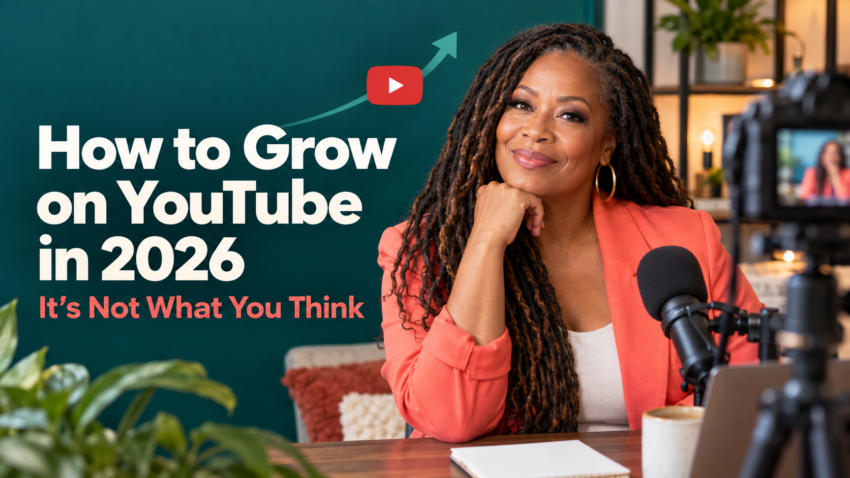
How to Grow on YouTube in 2026 (It’s Not What You Think)
A practical way to build videos people want to click, watch, and come back for—without wearing yourself out chasing every new trick.
Everybody has an opinion about growing on YouTube. Post every day. Buy better equipment. Find the perfect tags. Follow every trend before it disappears.
Whew. That sounds like a full-time job before you even make a video.
If you’re building a channel in 2026, I’d start with a more useful question: Why would one specific person choose your video, keep watching it, and want to hear from you again? That question can guide your topics, titles, filming, and editing without sending you chasing every “algorithm secret” on the internet.
Watch: How to Grow on YouTube in 2026
Watch the video first, then use the steps below to plan your next upload.
1. Start with the person you want to help
YouTube says its search and discovery systems aim to help viewers find videos they are likely to watch and find satisfying. Its guidance to creators is surprisingly straightforward: focus on understanding your audience. Videos are ranked for their performance and relevance to viewers; there is no magic upload ritual that makes a video take off. Read YouTube’s performance FAQ.
Before recording, finish this sentence:
“This video is for someone who wants to _____ but is struggling with _____.”
For example: “This video is for someone who wants to start a YouTube channel but cannot decide what their first ten videos should be about.” Now you have a person to talk to and a problem to solve. That’s a much better starting point than “I need to upload something by Tuesday.”

2. Make one clear promise—and deliver it early
Your title and thumbnail make a promise. The first moments of the video need to show people they came to the right place. If you promise “How to Start a YouTube Channel With Your Phone,” do not spend the opening talking about expensive cameras. Show the phone setup and the first practical step.
You can absolutely have personality. Please do. Your humor, stories, and perspective may be the reason someone remembers you. Just connect them to what that person came to learn.
YouTube recommends compelling titles and thumbnails that accurately represent the video. A misleading promise might win a click, but it can disappoint the person you hoped would become a regular viewer. See YouTube’s title and thumbnail guidance.
3. Give viewers a reason to watch another video
You do not have to talk about one tiny subject forever. But if every upload serves a completely different person, a new viewer may not know what to come back for. Pick two or three related topics you can explore from different angles.
A channel for people building an online business could cover beginner tutorials, honest software reviews, and lessons from trying different strategies. Those subjects leave room to experiment while telling your audience what they can expect.
Write down five questions people ask within each topic. Turn the clearest questions into videos. When one does well, make the natural follow-up rather than abandoning the subject to chase a random trend.
If you want to create without appearing on camera, I have a separate guide to starting a faceless YouTube channel. The same audience-first thinking still applies.
4. Read your analytics like clues, not a report card
A view count tells you something, but it does not tell you the whole story. In YouTube Studio, check how people found a video, whether its title and thumbnail attracted interest, and how long viewers stayed. YouTube’s Analytics tools show how thumbnail impressions turn into views and watch time. See YouTube’s guide to impressions and watch time.
- Impressions but few clicks? The topic, title, or thumbnail may need a clearer promise.
- Clicks but an early drop-off? Check whether the opening delivers what the title promised.
- People keep watching? Look at the topic, explanation, story, and pace. Which part could you build on?
Look for patterns across several uploads before changing your whole channel. One quiet week is not a verdict on your talent, friend.

5. Pick a schedule you can actually sustain
Here is the part that might let you unclench your shoulders: YouTube says you do not need to upload daily or even weekly to grow. Its analysis found that growth in views across uploads was not correlated with the time between them. Read the upload-frequency answer.
A realistic schedule can still help you plan and stay connected with your audience. If one thoughtful video a week works for your life, start there. If you need more time, use it well. A rushed video made solely to satisfy a calendar may cost you more energy than it earns.
6. Test the packaging when the video deserves another chance
Sometimes the video is helpful, but the title does not make the benefit clear. Sometimes a busy thumbnail is impossible to understand on a phone. Eligible creators can use YouTube Studio to test up to three title or thumbnail options; YouTube’s test selects the option with the highest watch time, not just the most clicks. See the current eligibility rules and testing steps.
Compare meaningfully different angles, such as “Why Is My YouTube Channel Not Growing?” and “How to Fix a YouTube Channel That Gets No Views.” Make sure the video fulfills whichever promise you use.
Your next-video checklist
- Name one person you want to help.
- Choose one question that person is already asking.
- Write a title that clearly promises the answer.
- Deliver that answer early in the video.
- Review how viewers responded, then decide what to improve.
Repeat what helps people. Improve what confuses them. Let your channel grow from what you learn.
Frequently asked questions
Do I have to post every day to grow on YouTube in 2026?
No. YouTube says daily or weekly uploads are not required for growth. Choose a pace that lets you make useful videos consistently without burning out.
Are YouTube tags the key to getting more views?
No. YouTube says tags play a minor role and are mainly useful for common spelling mistakes. Put more effort into the topic, accurate title, thumbnail, and video itself. See YouTube’s answer about tags.
Should I change the title of a video that is not getting views?
Possibly. First check whether people are seeing the video, choosing to click, and watching after they click. A clearer title or thumbnail can change how viewers respond, but changing it alone does not guarantee a boost. YouTube advises leaving a presentation that is already working alone.
Can a small or new channel still get discovered?
Yes. YouTube says its Home recommendations can include new videos alongside subscriptions and videos watched by similar viewers. There is no promise of a particular number of views, so focus on a useful idea and learn from the audience response.
Final thoughts
You do not need to become somebody else to succeed on YouTube. You need to make it easy for the right people to find you, trust your promise, and enjoy spending time with you.
And if you are thinking beyond views, read how I am building a quieter online business with searchable content. A channel can be part of something you own and build over time.
Start with one useful video. Then make the next one a little better.
Keep learning with me
Browse more practical YouTube articles and creator resources on Success With Trecia.
EXPLORE YOUTUBE RESOURCES →