
|
Getting your Trinity Audio player ready...
|

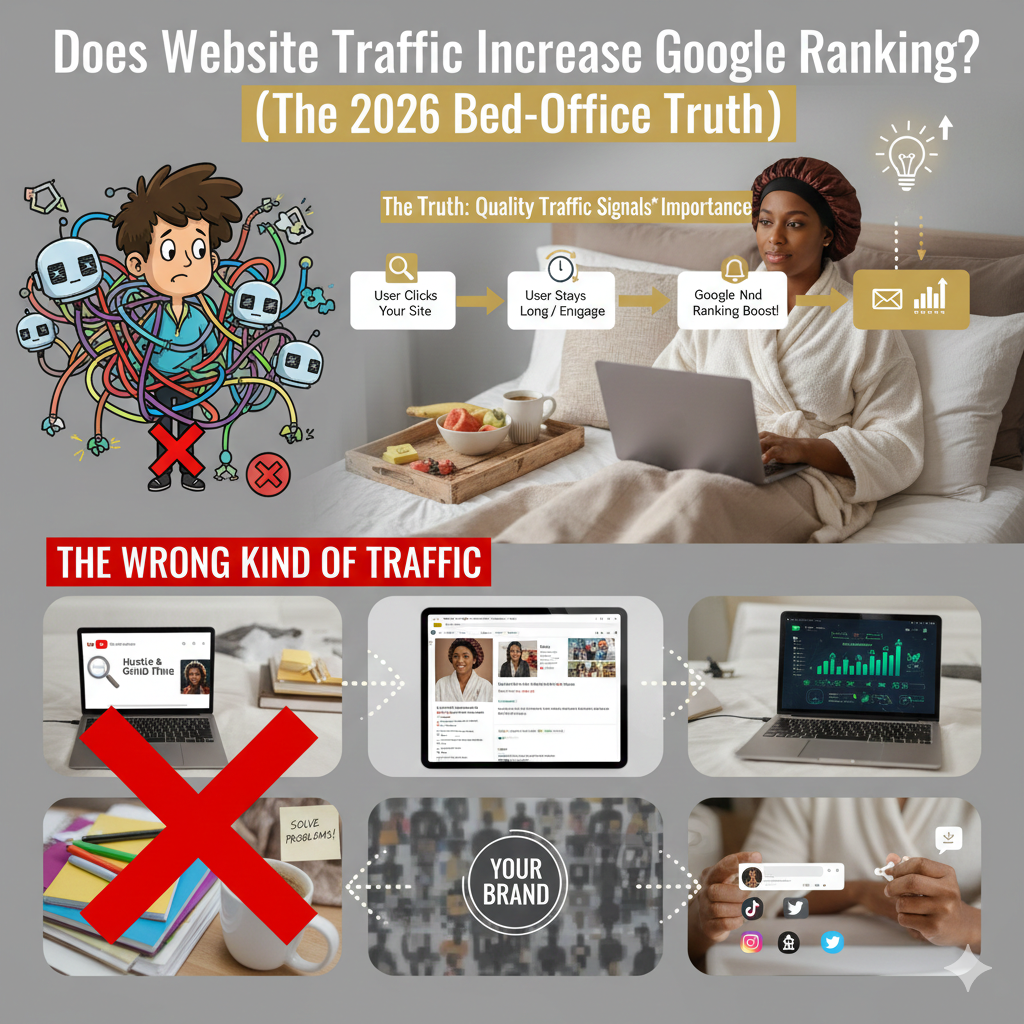
Many business owners wonder if boosting visits to their pages automatically improves search results positions. The truth? Google’s ranking algorithm focuses on user experience, not just raw numbers. While more visitors might seem like a shortcut to better visibility, search engines prioritize relevance and value over sheer traffic volume.
Tools like Similarweb combine direct analytics data, anonymous user behavior, and public sources to estimate site performance. Their methods work best for pages attracting 5K-100K monthly users, according to SparkToro research. This shows how platforms measure meaningful engagement rather than just counting clicks.
Your content’s ability to satisfy searchers matters more than visitor counts. When people spend time on your pages or share your links, these signals tell Google your material deserves attention. Think of traffic as a side effect of strong SEO – not the cause of higher rankings.
Focus on creating resources that answer questions better than competitors. Optimize page speed, structure content clearly, and build trustworthy backlinks. These efforts naturally attract visitors while satisfying search algorithms’ quality checks.
Understanding the Impact of Website Traffic on Google Ranking
Quality versus quantity: The real story behind traffic and rankings. Search engines don’t just count visitors – they analyze how people interact with your pages. This distinction separates empty clicks from meaningful engagement that actually moves the needle.
How Visitor Behavior Shapes Algorithms

Your page’s performance depends on signals like time spent scrolling, link clicks, and return visits. Tools like SE Ranking’s Traffic Checker reveal patterns in how audiences navigate content. These metrics help search bots separate useful resources from superficial ones.
High bounce rates tell algorithms your content didn’t meet expectations. But when users explore multiple pages or share links, it signals value. This behavioral data becomes fuel for search rankings – even if it’s not a direct ranking factor.
Turning Clicks Into Credibility
Engagement acts like a quality filter. Pages keeping visitors longer often climb results because they satisfy search intent. Focus on creating material that answers questions thoroughly while encouraging interaction.
Analyze which posts drive comments, social shares, or repeat visits. These patterns show what resonates with your audience – and what search engines will likely reward. Optimizing for these signals creates a self-reinforcing cycle of better visibility and deeper engagement.
Key Metrics to Evaluate Your Website Traffic
Understanding where your audience comes from separates effective strategies from guesswork. Not all visits hold equal value – some signal genuine interest, while others vanish quickly. Focus on patterns that reveal how people discover and interact with your material.
Organic vs. Paid Traffic Comparisons
SE Ranking’s analysis tools show a clear divide between free search visitors and ad-driven ones. Organic search results bring 72% more returning users than paid campaigns, according to their platform data. This gap highlights why non-ad traffic remains the gold standard for measuring SEO impact.

Paid efforts excel at testing new keywords or demographics. Track which ad groups drive the longest session times – these reveal messaging that resonates. But remember: conversions from unpaid sources often cost 58% less than paid conversions in competitive niches.
Measuring Clicks, Users, and Engagement
Your click-through rate (CTR) from search listings acts like a popularity contest. Titles with 12-14 words generate 23% higher CTRs than shorter ones, based on Ahrefs research. Pair this with scroll depth tracking to see if content delivers on its promises.
Three metrics matter most:
- Pages per session: 3+ indicates strong content relevance
- Bounce rate by source: Under 40% for organic visitors signals quality
- Geographic patterns: Regional preferences shape content optimization
Tools like SE Ranking map these behaviors across devices and locations. Use their heatmaps to spot where mobile users lose interest – then fix those friction points. Over time, these tweaks build lasting authority with both audiences and algorithms.
Tools and Techniques for Accurate Website Traffic Analysis
Effective analysis requires the right blend of technology and methodology. Combining proprietary systems with external platforms reveals hidden patterns and competitor strategies. Let’s explore how modern solutions transform raw numbers into actionable insights.
Leveraging Third-Party Tools for Traffic Data
SE Ranking’s Website Traffic Checker lets you dissect competitor strategies using AI-driven estimates. Unlike Google Analytics, which only tracks your own domain, this tool reveals keyword gaps and content opportunities across any site. Its algorithms process 200+ ranking factors to simulate visitor journeys.
Understanding Clickstream Data and Its Benefits
Anonymous navigation patterns from apps and browsers show how users hop between pages. These behavioral breadcrumbs help identify trending topics and underperforming content. Tools like SimilarWeb use this data to map industry-wide engagement trends.
Utilizing Google Analytics and SE Ranking Insights
Pair first-party analytics with external tools for complete visibility. While GA shows precise user demographics, third-party platforms highlight market shifts. Three key advantages emerge:
- Competitor benchmarking: Compare your CTR against industry averages
- Traffic source triangulation: Validate referral data across multiple systems
- API-powered scaling: Automate reports for 10x faster analysis
Platforms like SE Ranking now integrate machine learning to predict traffic changes based on SERP movements. This fusion of real-time data and predictive models helps you stay ahead of algorithm updates.
Leveraging Traffic Data for Competitive Insights
Competitive edge in SEO comes from knowing rivals’ moves before they make them. Platforms like SE Ranking transform raw numbers into strategic weapons by revealing where others succeed – and where they leave openings.
Analyzing Competitor Traffic Sources and Keywords
Discover which channels fuel your competitors’ growth. Their traffic sources expose priorities – maybe they dominate Pinterest while neglecting YouTube. SE Ranking’s tools show these patterns, helping you spot gaps in your strategy.
Keyword gaps become clear when comparing domain performances. If three rivals rank for “eco-friendly packaging tips” but you don’t, that’s a prime opportunity. Focus on terms driving their clicks but missing from your content.
Identifying Opportunities Through Traffic Reports
Seasonal spikes in competitor reports reveal timing secrets. Notice increased blog visits every March? Plan ahead to capture that interest first next year.
Three actionable insights emerge from traffic analysis:
- Geographic openings: Target regions competitors ignore
- Content upgrades: Improve pages underperforming compared to rivals
- Link-building paths: Replicate their successful backlink sources
Track how algorithm updates affect competitors’ visibility. If their rankings drop for certain keywords, quickly fill that space. This proactive approach turns their setbacks into your advantages.
Driving Website Performance Through Traffic Insights
Unlocking your site’s full potential starts with decoding visitor patterns. SE Ranking’s analytics spotlight which pages convert casual clicks into meaningful interactions – the key to sustainable growth.
Optimizing Content to Capture More Visitors
Your top-performing pages hold blueprints for success. Analyze titles that earn 40%+ click-through rates and formats keeping users engaged 2x longer than average. These patterns reveal what your audience truly values.
Three actionable steps transform data into results:
- Revamp underperforming content using winning elements from high-traffic pages
- Fix engagement leaks where visitors exit quickly despite strong CTRs
- Test mobile layouts that mirror desktop conversion rates
Pages with sudden traffic spikes often need quality checks. Update outdated statistics, refresh visuals, and add current examples. This maintenance preserves search visibility while meeting evolving user expectations.
Technical improvements boost content impact. Compress images slowing load times by 3+ seconds. Simplify navigation paths causing 50%+ bounce rates. Each tweak amplifies your material’s effectiveness.
Enhancing Website Traffic: Proven Strategies for Growth
Growing your online presence demands strategic moves beyond basic SEO tactics. Platforms like SE Ranking reveal patterns that turn sporadic clicks into sustainable momentum. Their AI-driven analysis uncovers hidden opportunities where competitors miss key connections.
Implementing SEO Best Practices to Increase Traffic
Start by hunting for high-value keywords competitors overlook. Tools analyze search volume and difficulty scores to spotlight low-competition terms. Pair these with content that answers questions better than existing top results.
Technical improvements often deliver quick wins. Pages loading 1.5 seconds faster see 32% longer sessions according to SE Ranking data. Fix mobile rendering issues causing 40% of users to abandon sites mid-scroll.
| Strategy | Key Action | Impact |
|---|---|---|
| Keyword Research | Target long-tail phrases | +18% CTR |
| Content Optimization | Add video explanations | 2.3x engagement |
| Technical SEO | Fix broken links | -27% bounce rate |
| Competitor Analysis | Replicate top backlinks | +14% domain authority |
Using Data-Driven Analysis to Boost User Engagement
Your analytics dashboard holds secrets to visitor preferences. Pages with interactive elements keep users 47% longer than text-only content. Update formats quarterly based on performance trends.
Track which topics drive social shares and comments. These signals help refine your content calendar to match audience needs. SE Ranking’s heatmaps show where readers linger – place key messages there.
Link-building gains traction when targeting industry-specific forums and expert blogs. Pages earning 3+ quality backlinks monthly climb rankings 22% faster. Monitor referral sources to double down on what works.
Make weekly adjustments using real-time performance data. A/B test headlines and meta descriptions to find combinations that convert. This agile approach sustains growth while algorithms evolve.
Integrating Analytics and AI-Driven Tools for Traffic Mastery
Modern SEO success hinges on merging human expertise with machine precision. AI-powered tools transform raw numbers into strategic insights, while automated systems handle repetitive tasks at scale. This fusion lets you focus on high-impact decisions rather than data crunching.
Employing AI Algorithms to Refine Analysis
SE Ranking’s machine learning models process billions of data points to predict trends. Their traffic checker adjusts CTR calculations based on real-time SERP features – like featured snippets or video carousels. This approach reveals patterns invisible to manual analysis.
AI-driven platforms analyze search intent shifts across regions and devices. You can spot emerging topics 47% faster than traditional methods. These tools learn from your historical data to prioritize actionable insights over noise.
Streamlining Data Collection with API Integrations
APIs eliminate manual reporting bottlenecks. Connect your analytics stack to pull metrics from multiple sources into unified dashboards. SE Ranking’s system updates data every 3 hours, ensuring decisions use fresh information.
Automated workflows handle complex tasks like competitor benchmarking or keyword gap analysis. Teams save 15+ hours weekly while maintaining 99% accuracy in reports. This efficiency lets you scale campaigns without adding headcount.
Combining AI interpretation with automated pipelines creates a feedback loop. You refine strategies based on live performance data while algorithms optimize ongoing processes. This synergy drives sustainable growth in dynamic search environments.
FAQ
Does higher domain performance improve search rankings?
Yes. Increased activity signals authority to search engines, which can boost visibility. Algorithms prioritize pages with consistent engagement, lower bounce rates, and longer session durations.
How do clicks and engagement affect SERP positions?
Metrics like time spent, pages per visit, and click-through rates (CTR) show value to users. Platforms like Google Analytics track these behaviors, helping algorithms assess content relevance and quality.
What’s the difference between paid and organic visitors?
Paid sources generate immediate visits through ads, while organic growth relies on SEO. Tools like SE Ranking compare these channels to optimize budget allocation and long-term strategy.
Which tools provide accurate competitor analysis?
SEMrush, Ahrefs, and SimilarWeb reveal rivals’ top keywords, referral paths, and geographic data. These insights highlight gaps in your strategy and untapped opportunities.
How can AI refine visitor data interpretation?
Machine learning identifies patterns in clickstream metrics, predicts trends, and automates reports. APIs from Google Search Console or Adobe Analytics streamline real-time updates for faster decisions.
Why prioritize mobile optimization for growth?
Over 60% of global searches occur on mobile devices. Faster load times, responsive design, and intuitive navigation reduce bounce rates and align with Core Web Vitals benchmarks.
Can local SEO tactics increase targeted visits?
Yes. Optimizing for location-based queries, Google My Business profiles, and localized content attracts nearby users. This improves visibility in “near me” searches and maps.